
DStv for Lodges, Guesthouses and Businesses in Hoedspruit
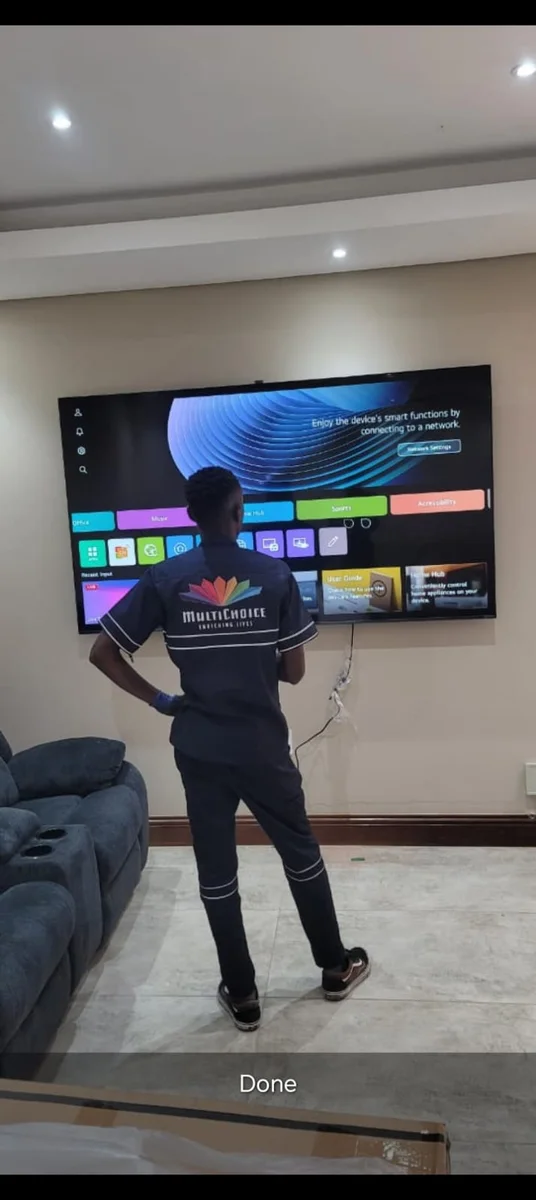
A lodge, guesthouse, bush bar or office in Hoedspruit needs a different kind of DStv setup from a family home. Several screens may need to run at once, rooms can be spread across a property in separate chalets, and the equipment has to cope with guests, heat, storms and the occasional troop of monkeys. Planning it properly at the start costs less than reworking a system that was put together one decoder at a time.
How a Business Setup Differs From a Home Installation
A household system is built around one family watching one or two TVs. A hospitality or business system has to deliver a reliable picture to many screens, often in buildings some distance apart, and it has to keep working when nobody on site knows much about satellite equipment. That changes how the dish, cabling and distribution equipment are chosen and laid out.
There is also the subscription side. MultiChoice sells separate DStv Business packages aimed at establishments rather than households, so the installation and the account should be planned together.
The DStv Business Subscription
DStv groups its business packages by type of venue. On its South African business site, the Stay package is listed as suited to hotels and guesthouses, bed and breakfasts, retirement villages and clinics; Play is aimed at pubs, bars, restaurants and similar venues; and Work is aimed at offices, schools, banks and reception areas. Pricing is set by MultiChoice, so check the current figures directly with DStv Business rather than relying on a number you saw elsewhere.
It is worth knowing that the DStv Business subscriber terms give MultiChoice the right to inspect the equipment and premises to confirm the number of screens or rooms being served. Getting the account right from the outset avoids awkward conversations later. An installer can plan the hardware around the package you choose, but the subscription itself is an agreement between your business and MultiChoice.
Types of Hoedspruit Businesses That Need DStv
Safari Lodges and Game Lodges
Lodges tend to be the most involved installs. Guest suites are often scattered through the bush, well apart from each other, with thatched roofs that should not carry a dish or be walked on. A common approach is to mount a dish on a separate pole or service building and run cable underground or along protected routes to each unit. Where some owners want TV only in a main lounge or bar to keep the bush experience intact, the system can be designed around that rather than putting a screen in every room.
Guesthouses and Self-Catering Units
Smaller guesthouses on the edges of town or inside estates usually want a straightforward picture in each unit plus a shared lounge. The decision here is whether each unit gets its own decoder or whether the signal is distributed from central equipment. The number of units, the distance between them and the package you choose all feed into that choice.
Pubs, Restaurants and Sports Venues
A bar showing a big match needs several screens showing the right channels at the same moment. Distribution equipment that lets staff control what plays where, from one point, saves a lot of running around with remotes on a busy night. Screens mounted on outside decks also need thought about heat, dust and sun glare.
Offices, Practices and Waiting Areas
Offices and medical rooms generally need one or two screens with news or general viewing in reception or a staff area. These are smaller jobs, but a tidy finish with hidden cables matters more because clients see it every day.
Estates and Shared Facilities
On wildlife estates, clubhouses and communal areas raise the same questions as a small hospitality venue: several screens, shared equipment and a need for someone to be responsible for keeping it running. Many estates also have architectural rules about where a dish may be mounted, so check with the estate office before planning the install. Our business DStv installation page explains what a site visit covers.
How the Signal Gets to Every Screen
Distribution From a Central Rack
In larger properties the signal and decoders can be housed in one place and the picture sent out to screens around the site. This keeps the equipment in a cool, secure room rather than in every guest unit, which also means less to go wrong in rooms that guests use.
HDMI Switching for Bars and Lounges
Where several screens sit in one space, switching equipment routes decoder outputs to whichever screens need them. Staff can put one channel across every screen for a final, or split them between different games.
Individual Decoders
For a small number of rooms, a decoder per screen is sometimes simplest. It needs a separate cable from the dish's LNB to each decoder, which becomes harder to manage as distances grow.
Planning Around the Bushveld
- Lightning: summer storms are a real risk to outdoor equipment and anything wired to it. Ask about surge protection and earthing when the system is designed.
- Heat: equipment racks need ventilation. A cupboard that bakes in January shortens the life of decoders and switching gear.
- Animals: cable along walls and fences attracts chewing, and dishes attract climbing monkeys. Conduit and sturdy mounts are cheaper than repeat call-outs.
- Distance: long runs between buildings lose signal. DStv's own installation information notes that extra travel, cabling or amplification can add to an installation's cost, so a site visit is the only way to price a spread-out property fairly.
- Line of sight: the dish needs a clear view of the sky in the right direction, which can rule out the prettiest spots under a tree canopy.
Pricing
Because no two properties are laid out the same way, there is no honest fixed price for a business installation. The number of screens, the distance between buildings, the type of distribution and the finish you want all change the cost. The sensible first step is a site visit, followed by a written quote you can compare.
Keeping It Running
Business systems work longer hours than home systems, and a dead screen in a guest suite or on match night is noticed straight away. A regular check of dish alignment, cable condition and equipment health catches problems before guests do. You can read about scheduled DStv maintenance on our site, or start from the main DStv installation page for Hoedspruit.
Frequently Asked Questions
Do I need a commercial licence to show DStv in my business?
MultiChoice sells DStv Business subscriptions specifically for establishments such as guesthouses, bars, restaurants and offices, and its business terms allow it to inspect premises to confirm the number of screens or rooms. Speak to DStv Business about which package fits your venue before the equipment is installed, so the setup matches the account.
How many screens can a commercial DStv system support?
That depends on the package, the distribution equipment and how the property is laid out. A small office might need one screen and a large lodge many more. A site visit is the way to work out what your property actually needs.
How long does a commercial installation take?
A single screen in a reception area is a short job. A lodge with units spread across the bush, with trenching or long protected cable routes, takes considerably longer. Ask for a timeline with your quote, and plan larger work around guest bookings.
Need Help with Your DStv?
Get help with DStv installation, signal faults and XtraView in Hoedspruit and the surrounding bushveld. Call or send a message for a no-obligation quote.